Podcast Episode 3 The legacy of Joseph Rowntree
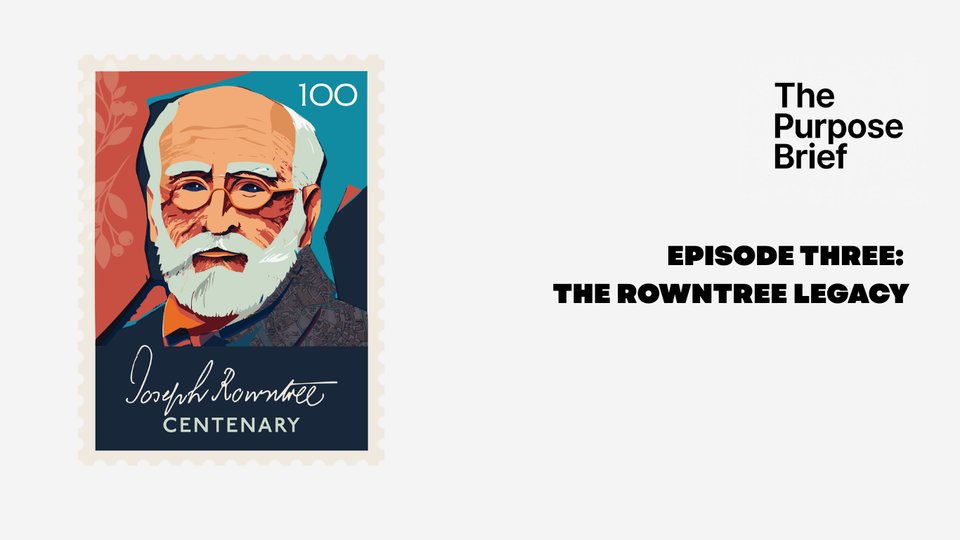
We follow on from a conversation in the last podcast episode about why people give to look at the specific motivations for tackling systemic change driving one of UK's, arguably, greatest philanthropist: Joseph Rowntree who died in 1925.
Joseph is a historical figure who is pivotal in pioneering civic philanthropy and many cities will have their versions of him, but his story is a useful way for us to frame high impact philanthropy for families in business, the importance of visible leaders and the historical context of how business operated over 100 years ago.
Joseph Rowntree was a Quaker entrepreneur and retailer born in Scarborough, North Yorkshire, England. He established high growth chocolate and confectionary making operations with his family and led this from the famous Rowntree's factory in York. At it's height the business hired 14,000 workers across the city of York and across the supply chain, playing an important role in creating greater prosperity for workers and pioneering a giving back ethos which is still relevant today.
Last year, marked the 100th anniversary of Joseph's death and we caught up with Nick Smith who is Executive Director of the Rowntree Society, a charity based in York which has been working across the community to connect heritage and place with the Rowntree ethos with a festival of talks, performances and street art. Nick's work is about bringing the Rowntree story to life and linking this back into the fabric of a rapidly changing city as an important layer of its historical identity.
The Rowntree family were truly civic in their approach to corporate social responsibility and in this episode we hear how they put their workforce at the heart of the business, how they gave back, the motivations for doing this and their view of wealth in a very different era from the industrial Victorian to Edwardian age. The historical context of change and societal issues is important and this podcast gives you some insight into how the Rowntree family worked to understand their wider impact and how they linked company profit back to purpose.
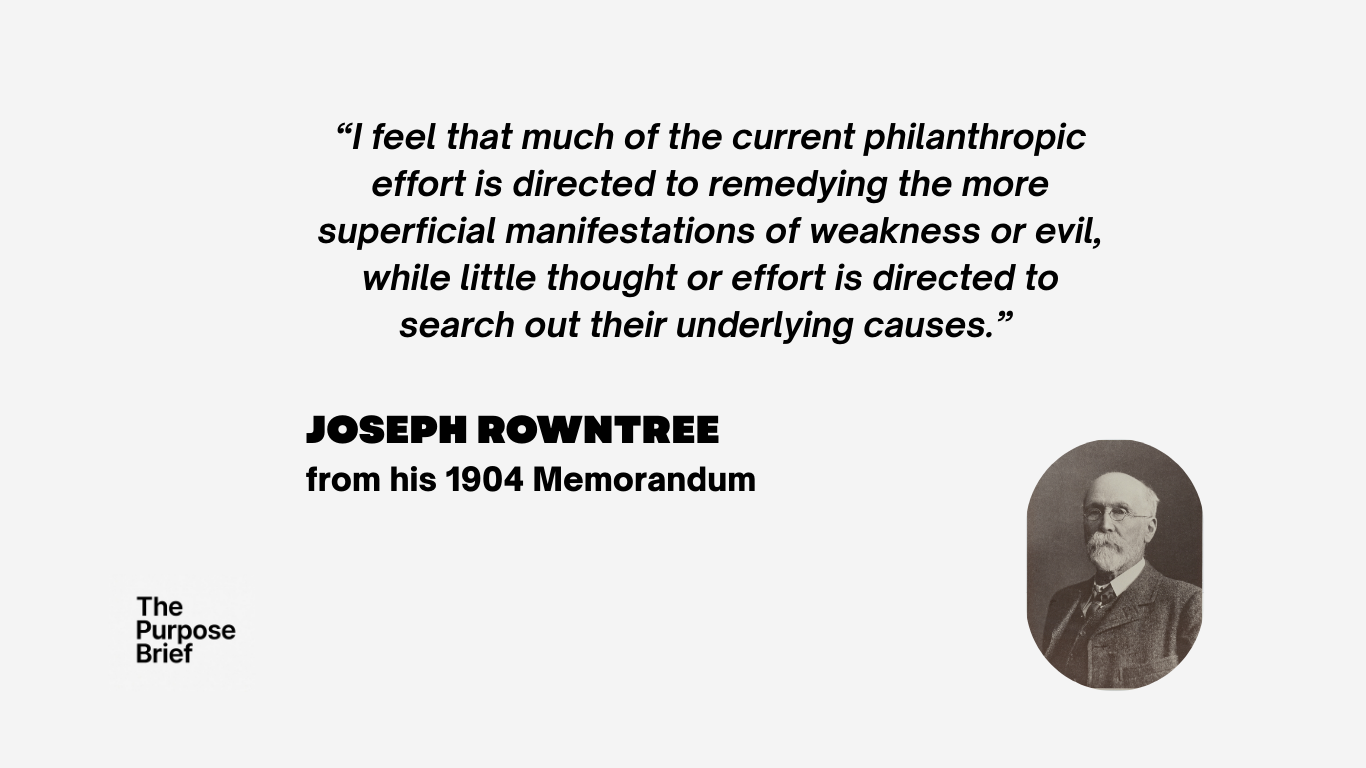
Much of the Rowntree ethos lives on in the charitable trusts associated with the family and these continue to fund work around social justice, poverty, sustainability and housing. That legacy takes the family name into the future and the work of Joseph's son, Seebohm Rowntree, whose pioneering report on Poverty and what was needed to resolve this in a relatively small city like York (in 1901), was foundational in how we, as a society, view poverty and the solutions needed.
It is also possible to look at this legacy through an Environmental Social and Governance (ESG) focus. Was their approach early ESG? How did they develop operations around community, health and wellbeing? But there are historic downsides and a special note to Nick Smith here on his work to identify work around labour and supply chains in the cocoa trade.
York is imbued with references to the Rowntree legacy. Everything from a theatre, a swimming pool, New Earswick village, civic buildings and linkages back into the establishment of a university in York. Whilst the site is still home to the main operations and development facilities of Nestle, the original factory has been revived as apartments and garden houses as the Cocoa Works. So for York as a city, Rowntree philanthropy is evident all around. And it is a legacy that provokes thinking about how business leaders and entrepreneurs do things today.
When you're ready and comfortable, please stream the next episode with a brew and your favourite chocolate bar by your side.